
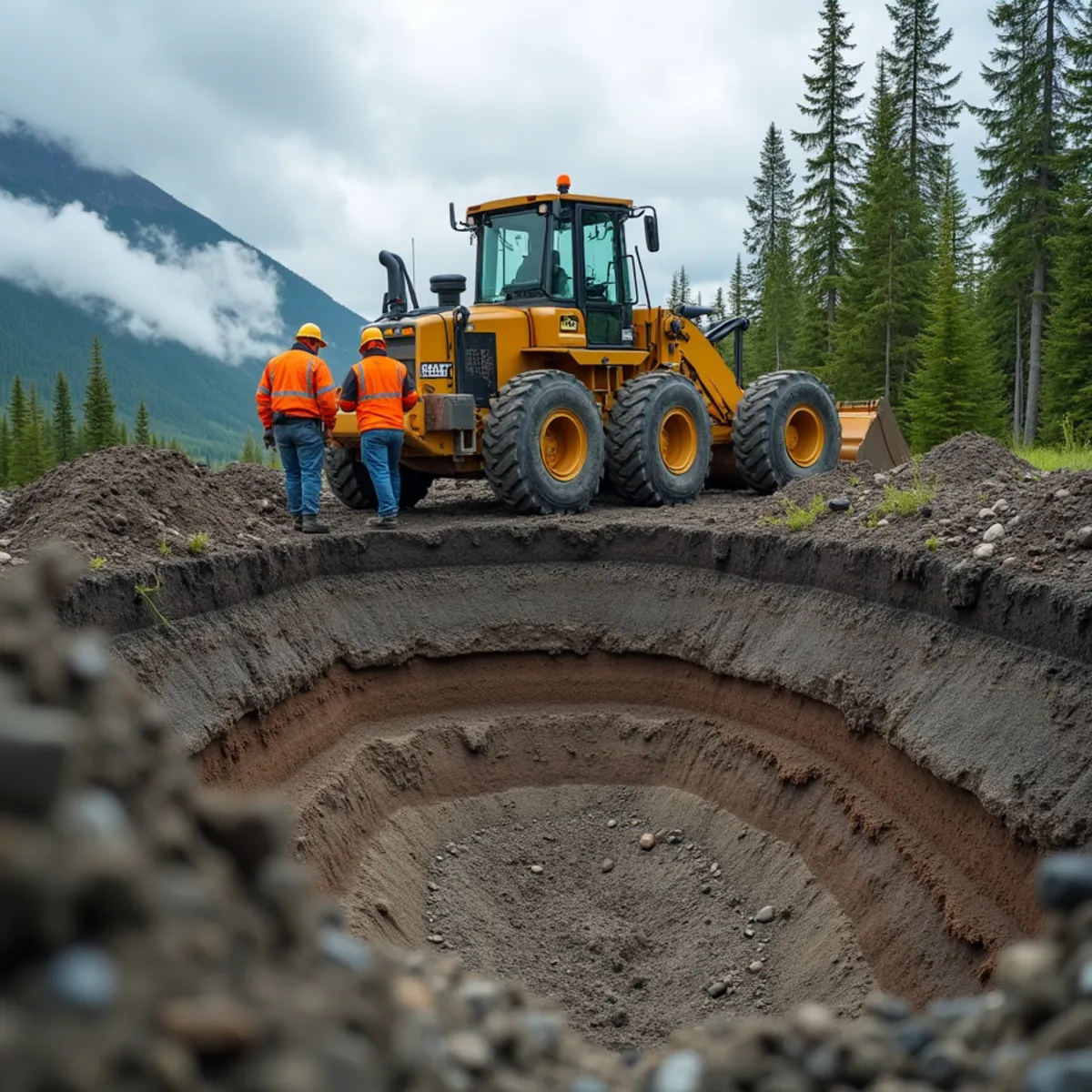
Navigating Southcentral Alaska Soil Types: Volcanic Silt, Glacial Till, and Peat Bogs
A geological guide for property owners: how Wasilla silt, Talkeetna glacial till, and riverbed peat deposits impact building, drainage, and landscaping.
Navigating Southcentral Alaska soil types requires identifying the dominant geology: Wasilla-series silts, Palmer volcanic loess, Talkeetna rocky till, or peat bogs. Each requires distinct engineering—stripping moisture-sensitive silt, installing geotextile fabric, and using non-frost-susceptible structural gravel.
The Geological Heritage of the Mat-Su Valley
The Matanuska-Susitna Valley was sculpted by retreating glaciers that left a complex patchwork of soil types. Within a quarter-mile radius in Wasilla, a property owner might encounter dense impermeable glacial till, powdery volcanic loess silt, and spongy organic peat muskeg.
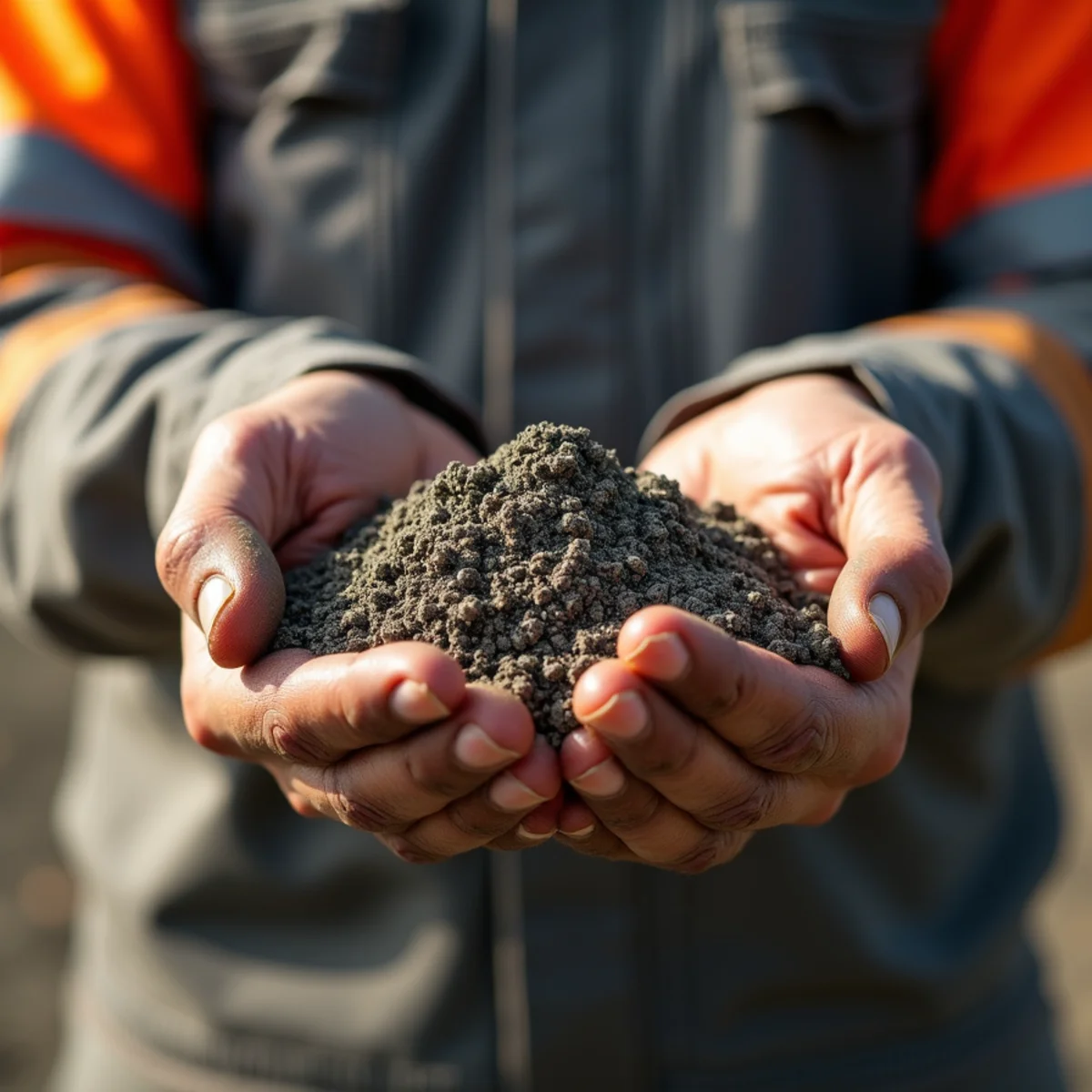
Wasilla-Series Soil: High Moisture & Extreme Frost Heaving
USDA NRCS classifies Wasilla-series soils as deep but poorly drained silty alluvium. Its microscopic silt particles pull moisture upward by capillary action. When winter arrives, this moisture expands into thick ice lenses that heave foundations and crack pavement.
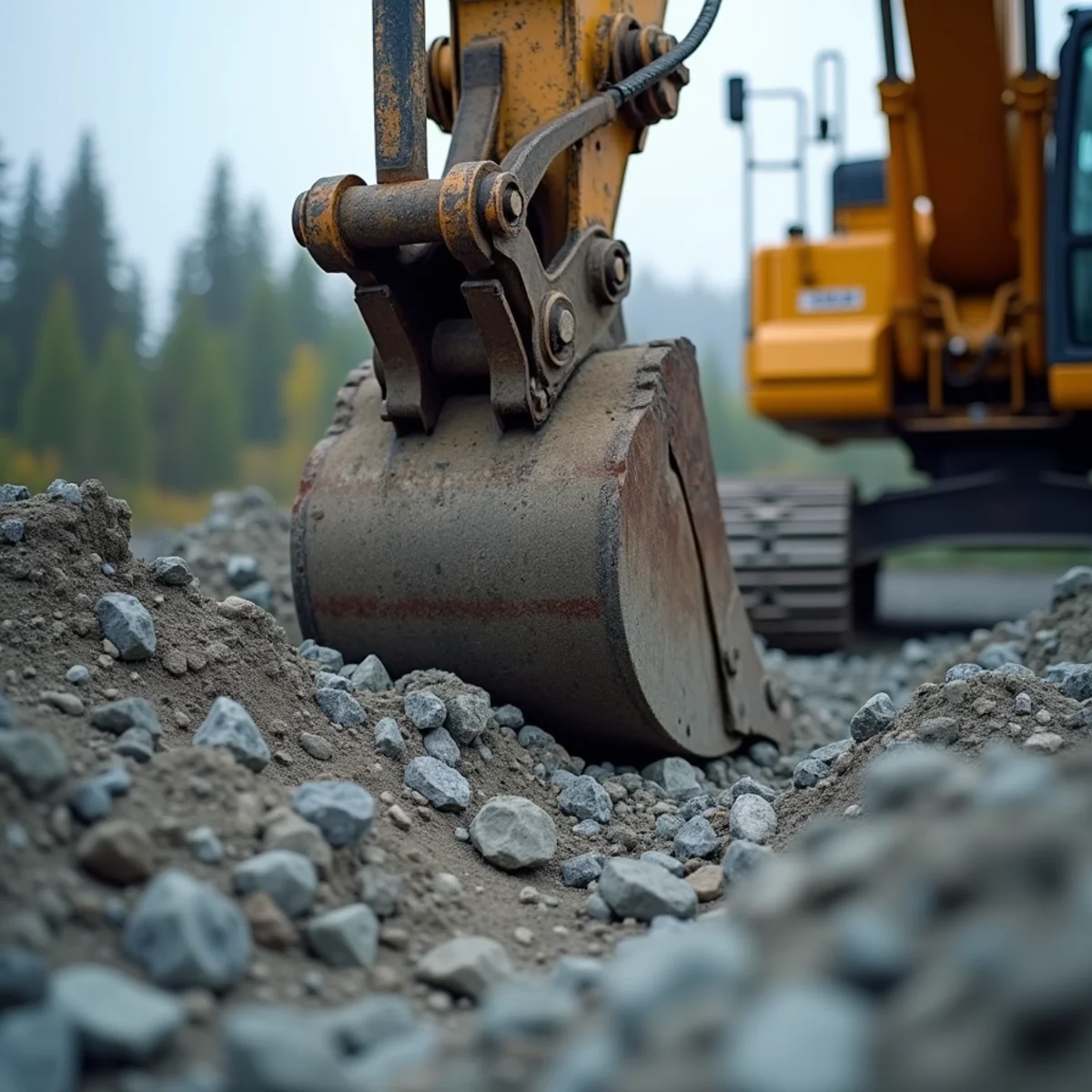
Remediation Strategies for Building & Lawns
For foundation pads, we strip the silt and backfill with certified non-frost-susceptible D-1 gravel. For lawns, we blend screened topsoil and compost to improve organic structure and drainage before hydroseeding.
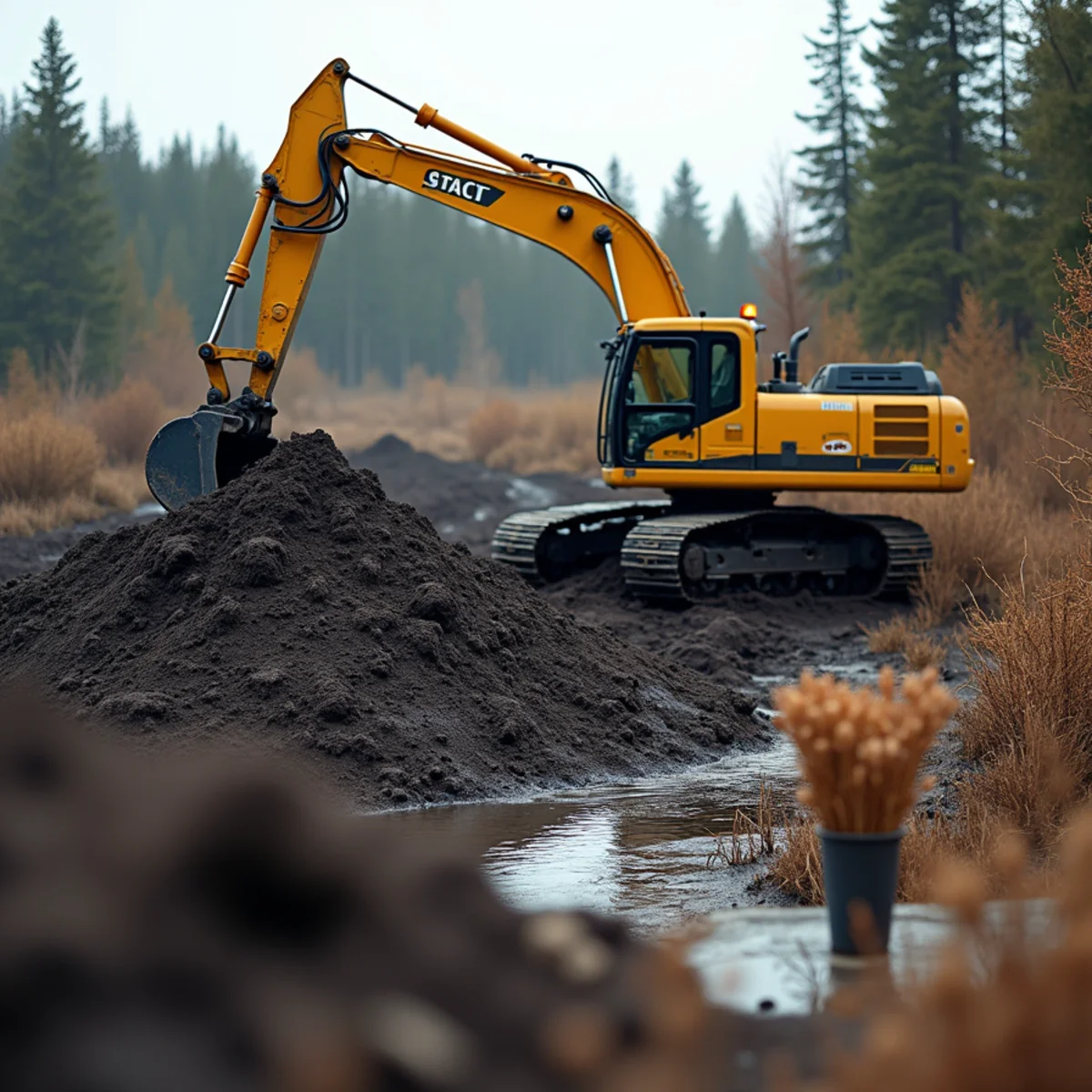
Southcentral Alaska Soil Classification
| Soil Series / Type | Geological Composition | Earthwork Engineering Approach |
|---|---|---|
| Wasilla Series | Deep silty alluvium over dense gravel | Strip 100% of top silt; install NFS gravel pad & perimeter drainage |
| Knik / Palmer Loess | Windblown agricultural silt loam | Prone to wind dust; requires hydroseed tackifiers & windbreaks |
| Glacial Till (Foothills) | Dense gravel, cobbles, and granite boulders | Heavy hydraulic excavator popping; ideal for retaining walls |
| Organic Peat / Muskeg | Spongy, saturated decomposed vegetation | Complete excavation required; structural pad must rest on mineral base |
Geotechnical Site Testing Tips
- Always dig a test pit before building foundation pads to identify the exact depth of peat or water table horizons.
- Never mix excavated top silt back into structural fill; even 10% silt contamination can cause severe frost heave in winter.
- Consult USDA NRCS soil survey maps to understand regional drainage patterns across your neighborhood.
Frequently Asked Questions About This Topic
Straightforward answers from experienced Alaskan earthwork and landscaping contractors.
Related Professional Services
20+ Years of Sub-Arctic Groundwork in Wasilla & Mat-Su
Grounded in USDA NRCS soil surveys, Alaska DEC wastewater engineering, and local frost-heave mitigation standards.
Talk Directly With an Experienced Local Operator
Whether you need emergency storm recovery, foundation thaw drainage, gravel pad construction, or seasonal land clearing, Norton Management Services provides prompt dispatch across the Mat-Su Borough and Southcentral Alaska.
Need an On-Site Assessment?
Get a written estimate for your property from an experienced Wasilla contractor.
24/7 Heavy Equipment Hotline
Have an urgent tree fall, frozen septic line, or thaw flooding emergency? Call our direct line now.
(323) 606-0255