
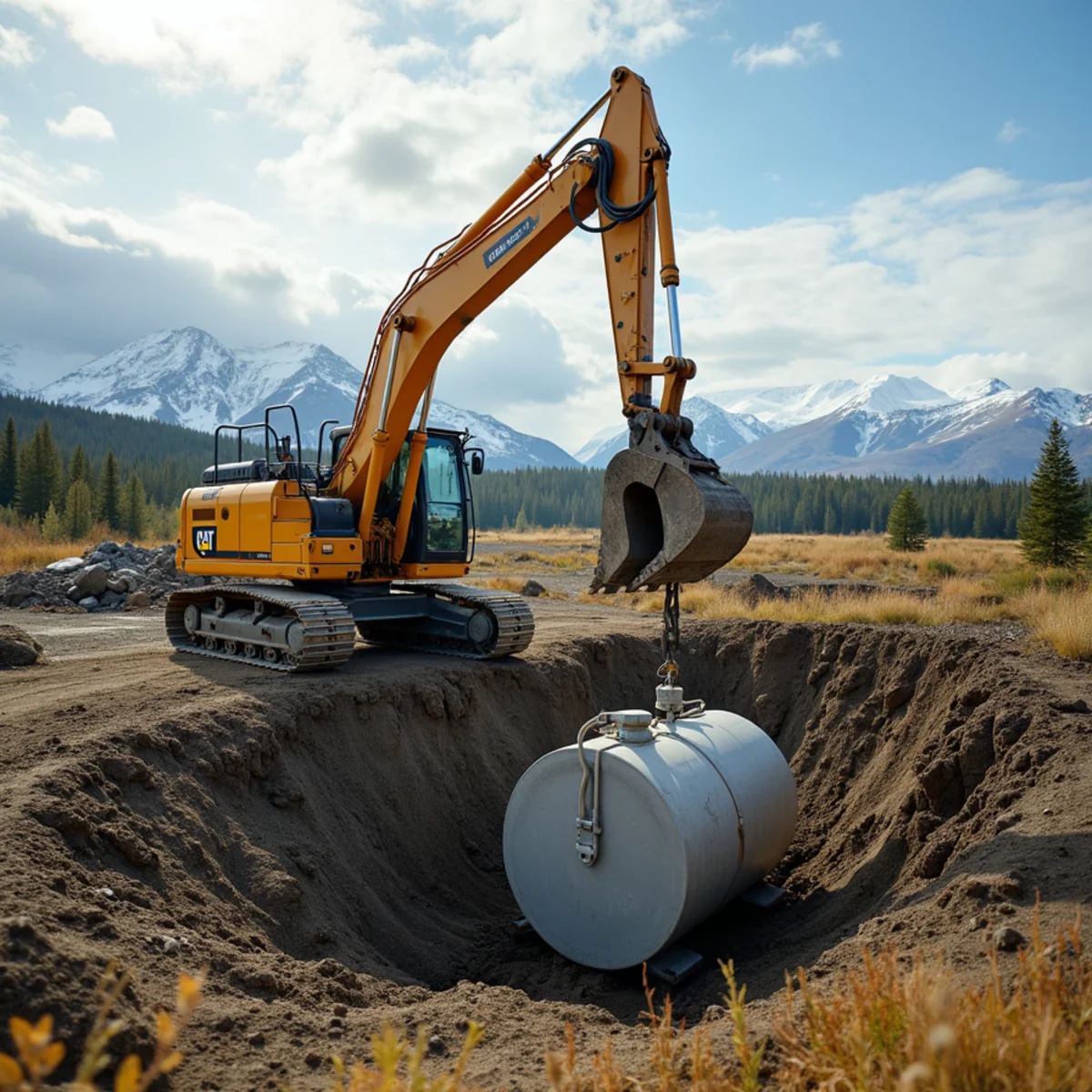
Septic System Installation in Sub-Arctic Conditions: Drain Fields and Permafrost Awareness
Installing wastewater systems in Alaska requires strict compliance with DEC regulations, deep frost protection, and accurate soil percolation analysis.
Septic system installation in sub-arctic Alaska demands careful soil percolation testing, precast concrete or poly tank leveling, deep burial or high-density foam insulation (2–4 inches XPS), and gravity or pressure-dosed drain fields engineered to operate reliably through -30°F winter cold snaps.
Navigating Alaska DEC On-Site Wastewater Regulations
Outside Wasilla city sewer limits, private septic systems must be designed by certified engineers and permitted through the Alaska Department of Environmental Conservation (DEC). Soil percolation test holes and seasonal water table monitoring dictate whether a standard gravity bed or an elevated pressure-dosed mound is required.
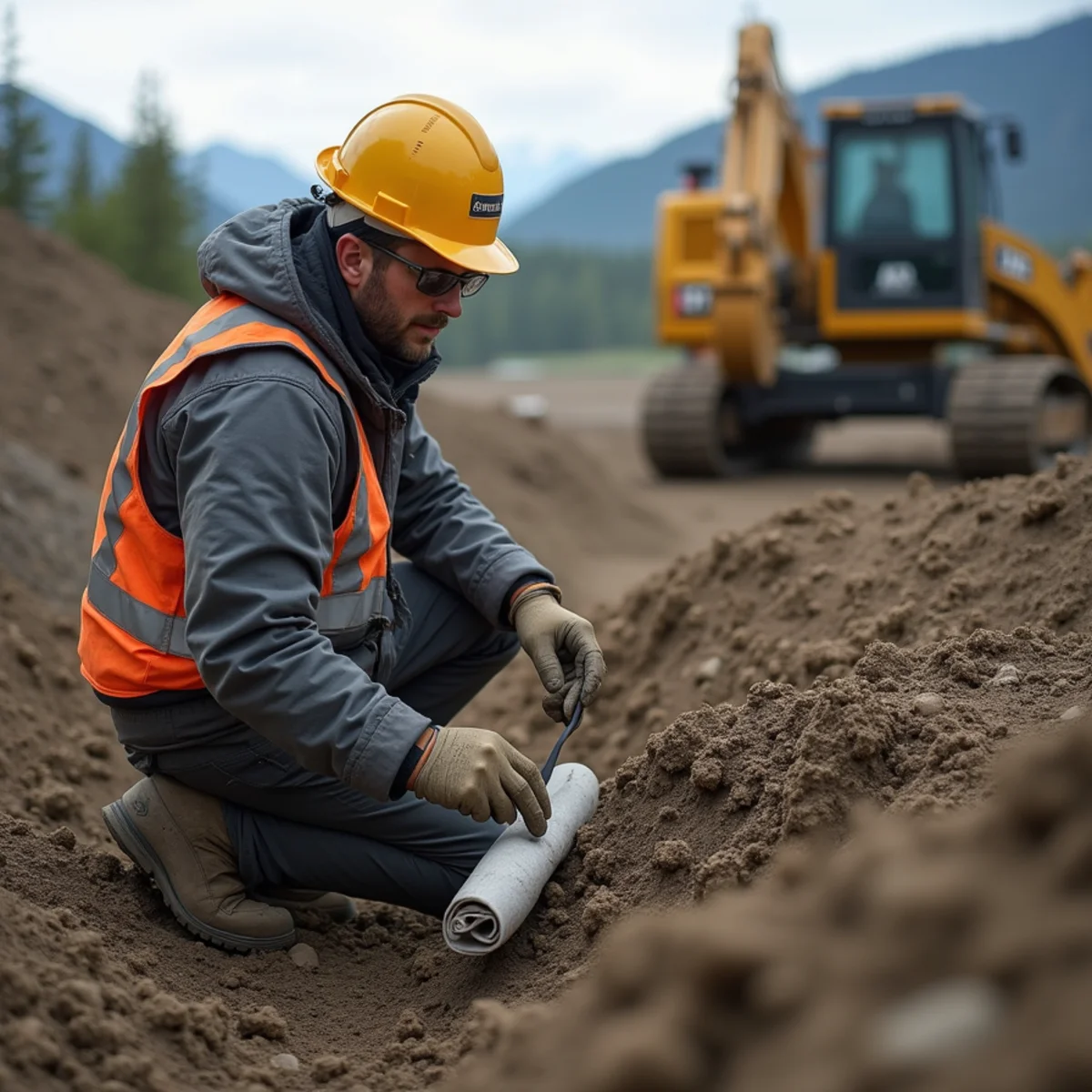
Sub-Zero Frost Protection for Drain Lines
Septic pipes must maintain continuous slope with zero low spots where effluent can stand and freeze. In shallow bury applications, rigid extruded polystyrene insulation boards are laid directly over the line to trap ground heat rising from deeper strata.

Clean Septic Rock Bedding Standards
Leach fields rely on clean washed septic rock free of fine sands or silt. Contaminated rock quickly clogs absorption soils, causing premature system failure and expensive yard excavation.
Sub-Arctic Septic Engineering Requirements
| Component | Alaska DEC Standard | Winter Protection Method |
|---|---|---|
| Septic Tank | Precast concrete or ribbed poly | Buried 4–6 ft deep; 2-inch XPS foam board cap |
| Transfer Pipe | Schedule 40 PVC (minimum 4-inch) | Insulated trench; minimum 1/4-inch per foot slope |
| Leach Field | Perforated pipe in washed rock | Sand/gravel mound or deep absorption trench |
| Inspection Risers | Airtight insulated lids to grade | Internal insulated foam plug beneath access lid |
Winter Septic Maintenance Advice
- Maintain a full winter snowpack over your septic tank and drain field; snow is natural insulation that keeps geothermal ground heat trapped.
- Fix dripping household faucets immediately; tiny trickles of water freeze inside cold pipes, gradually creating solid ice dams.
- Never pump a septic tank late in the autumn unless necessary, as the biological activity inside an active tank generates vital heat.
Frequently Asked Questions About This Topic
Straightforward answers from experienced Alaskan earthwork and landscaping contractors.
Related Professional Services
20+ Years of Sub-Arctic Groundwork in Wasilla & Mat-Su
Grounded in USDA NRCS soil surveys, Alaska DEC wastewater engineering, and local frost-heave mitigation standards.
Talk Directly With an Experienced Local Operator
Whether you need emergency storm recovery, foundation thaw drainage, gravel pad construction, or seasonal land clearing, Norton Management Services provides prompt dispatch across the Mat-Su Borough and Southcentral Alaska.
Need an On-Site Assessment?
Get a written estimate for your property from an experienced Wasilla contractor.
24/7 Heavy Equipment Hotline
Have an urgent tree fall, frozen septic line, or thaw flooding emergency? Call our direct line now.
(323) 606-0255