
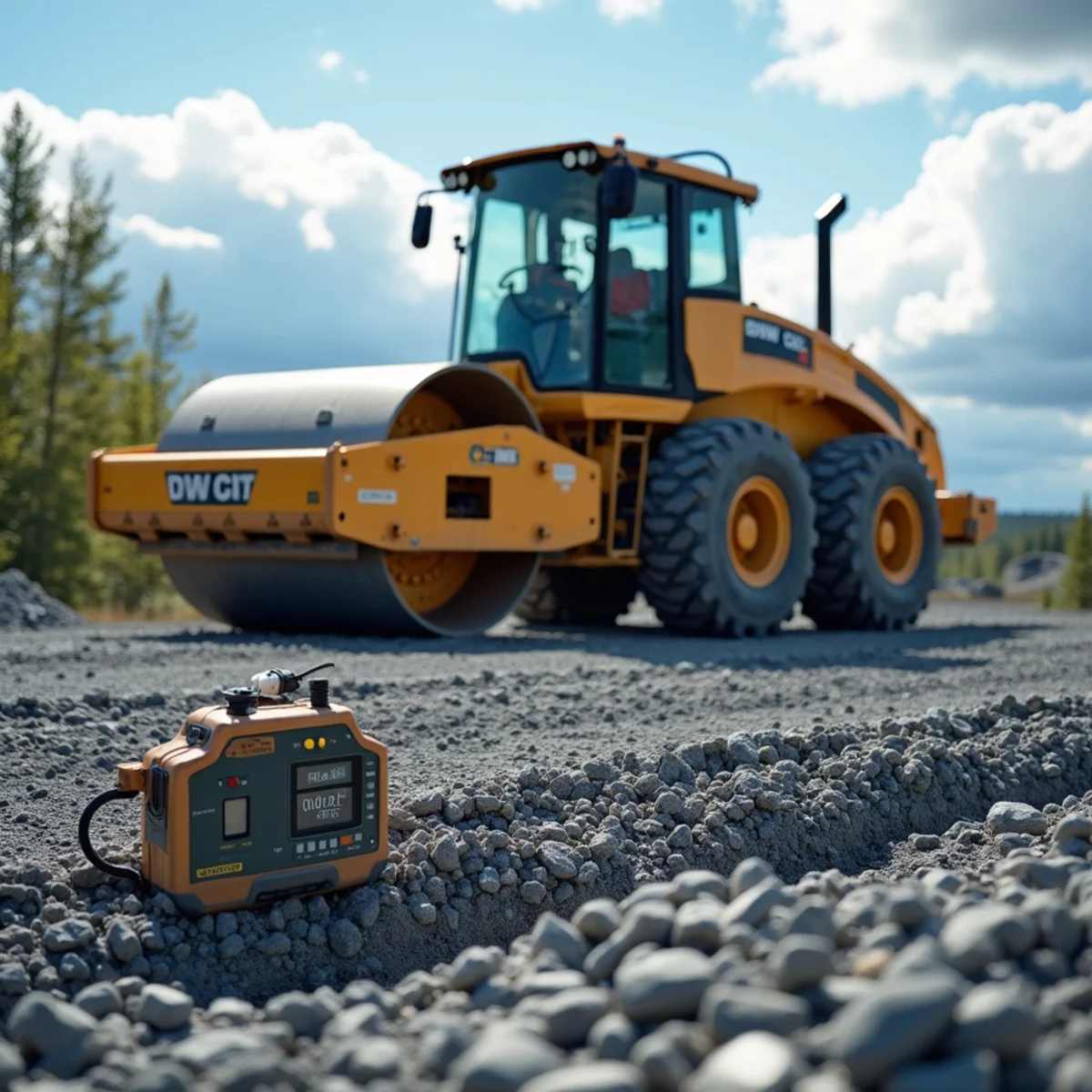
Why Gravel Pad Compaction Matters: Preventing Sinking Sheds and Garages in Peat Soil
Setting a building on top of uncompacted Alaskan topsoil guarantees structural settlement. Learn how geotextile separation and vibratory compaction protect foundations.
Gravel pad compaction matters in Alaska because uncompacted gravel contains up to 30% air voids. When heavy snow, vehicles, or buildings press down, or when spring meltwater saturates the subgrade, uncompacted pads settle unevenly, causing building frames to rack, doors to bind, and concrete slabs to crack.
The Hidden Danger of Southcentral Peat and Silt
Much of Wasilla and Meadow Lakes is carpeted in organic peat and silty alluvium. Peat acts like a giant sponge, holding immense volumes of moisture that compress unevenly under building loads. Without full excavation, your shed doors will jam and your garage slab will crack within two seasons.
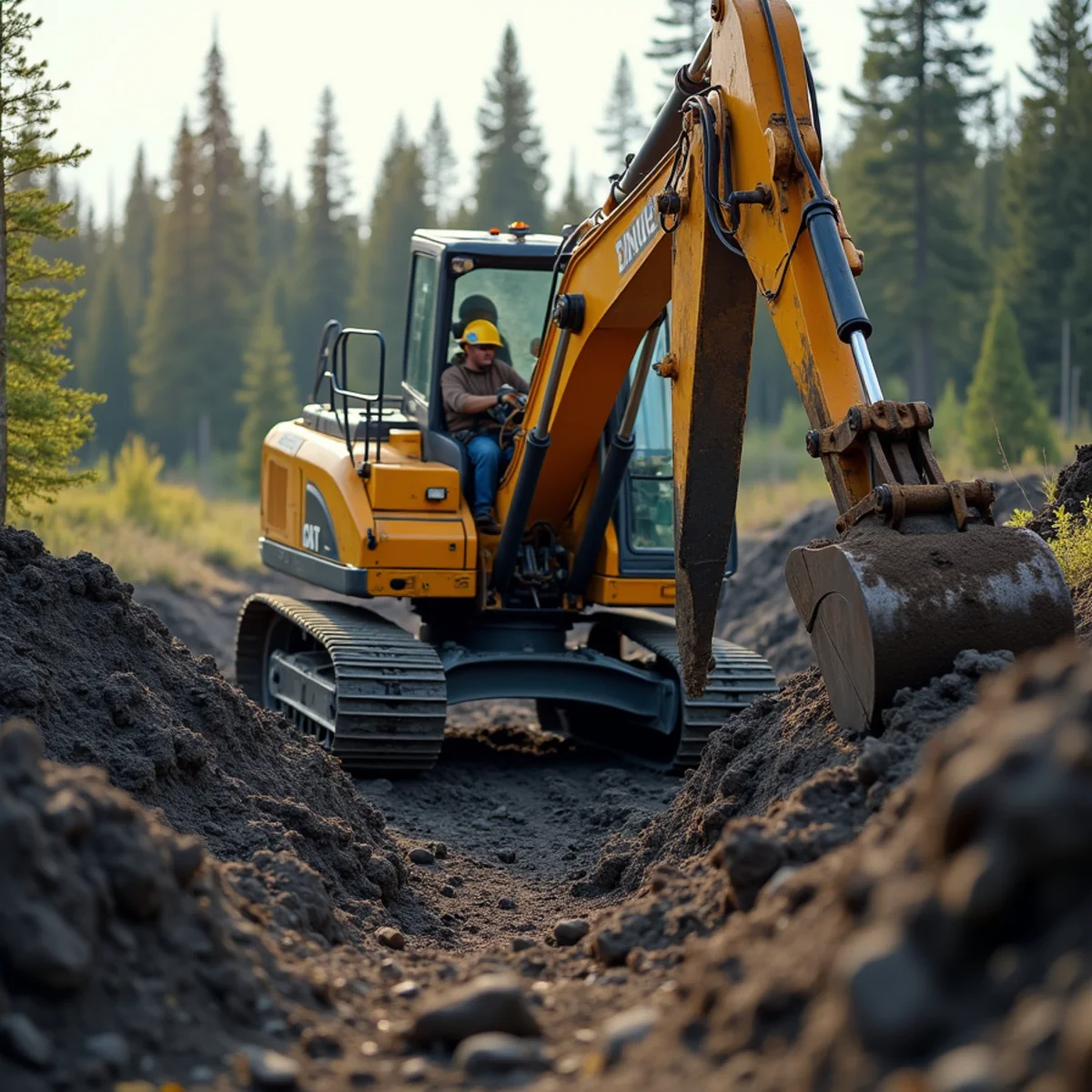
The Geotextile Separation Barrier
Simply dumping gravel on top of dirt causes the heavy gravel to punch down into the soft subgrade while mud squirts upward. Installing a high-tensile woven geotextile separation fabric acts as a structural bridge, permanently separating gravel ballast from soft native soils.
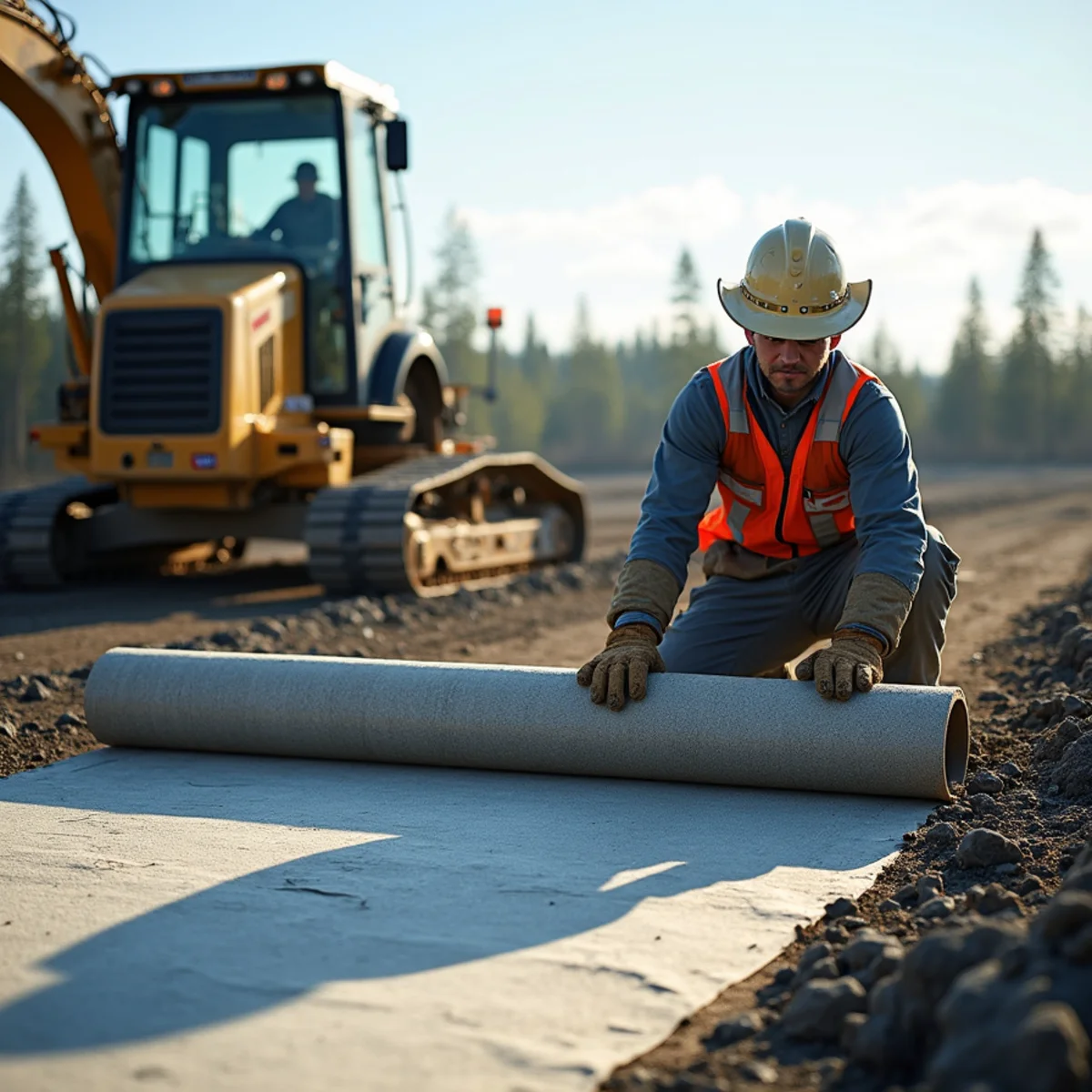
Vibratory Compaction in Controlled Lifts
True structural strength requires spreading certified D-1 crushed gravel in uniform 6-inch lifts, conditioning the gravel with moisture, and compacting with commercial vibratory rollers to achieve 95%+ standard proctor density.
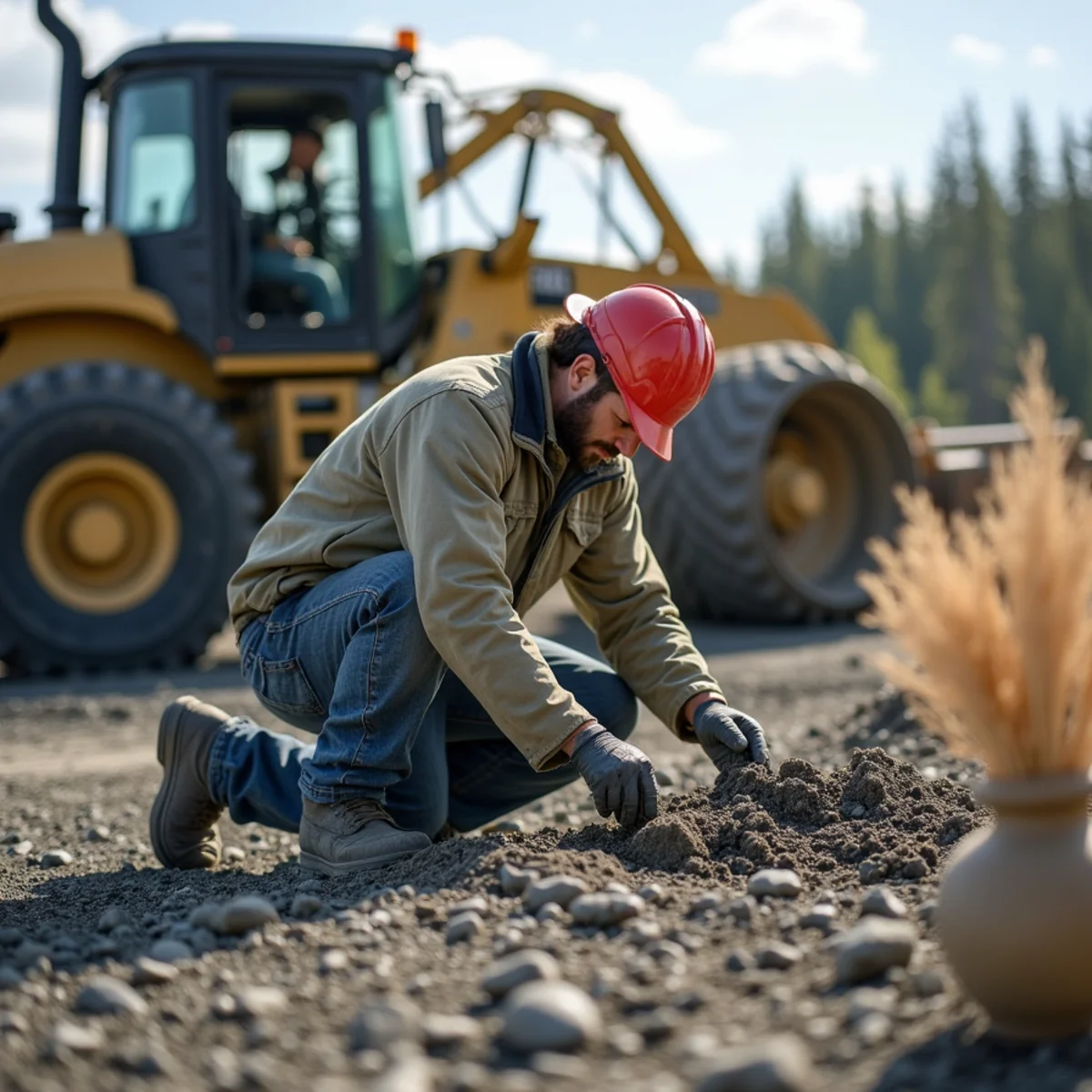
Gravel Pad Compaction Standards
| Layer / Stage | Recommended Compaction Standard | Equipment Used |
|---|---|---|
| Subgrade Soil Prep | Roll proof-test; zero deflection | Track loader / vibratory roller |
| Base Rock (2-inch minus) | 95% Modified Proctor density | Heavy vibratory drum roller (3–5 ton) |
| Surface Cap (D-1 gravel) | 95%+ Modified Proctor density | Vibratory plate compactor with water misting |
| Lift Thickness Limit | Maximum 6 to 8 inches per lift | Thicker lifts cannot achieve deep sub-layer density |
Compaction Mechanics in Sub-Arctic Soils
- Compacting gravel requires optimal moisture content; dry gravel will not bind tightly, while oversaturated gravel will pump and liquefy.
- Driving back and forth with a skid steer or truck does not achieve true deep compaction; high-amplitude vibratory rollers are required.
- Always install heavy woven geotextile fabric between native silt and structural gravel to prevent sub-base contamination.
Frequently Asked Questions About This Topic
Straightforward answers from experienced Alaskan earthwork and landscaping contractors.
Related Professional Services
20+ Years of Sub-Arctic Groundwork in Wasilla & Mat-Su
Grounded in USDA NRCS soil surveys, Alaska DEC wastewater engineering, and local frost-heave mitigation standards.
Talk Directly With an Experienced Local Operator
Whether you need emergency storm recovery, foundation thaw drainage, gravel pad construction, or seasonal land clearing, Norton Management Services provides prompt dispatch across the Mat-Su Borough and Southcentral Alaska.
Need an On-Site Assessment?
Get a written estimate for your property from an experienced Wasilla contractor.
24/7 Heavy Equipment Hotline
Have an urgent tree fall, frozen septic line, or thaw flooding emergency? Call our direct line now.
(323) 606-0255